Estate management
Estate management: how Kathu landlords protect rental income
9 October 2026 6 min read
A good yield on paper means nothing if the unit sits empty or the tenant stops paying. A practical framework for landlords in a single-industry mining town.
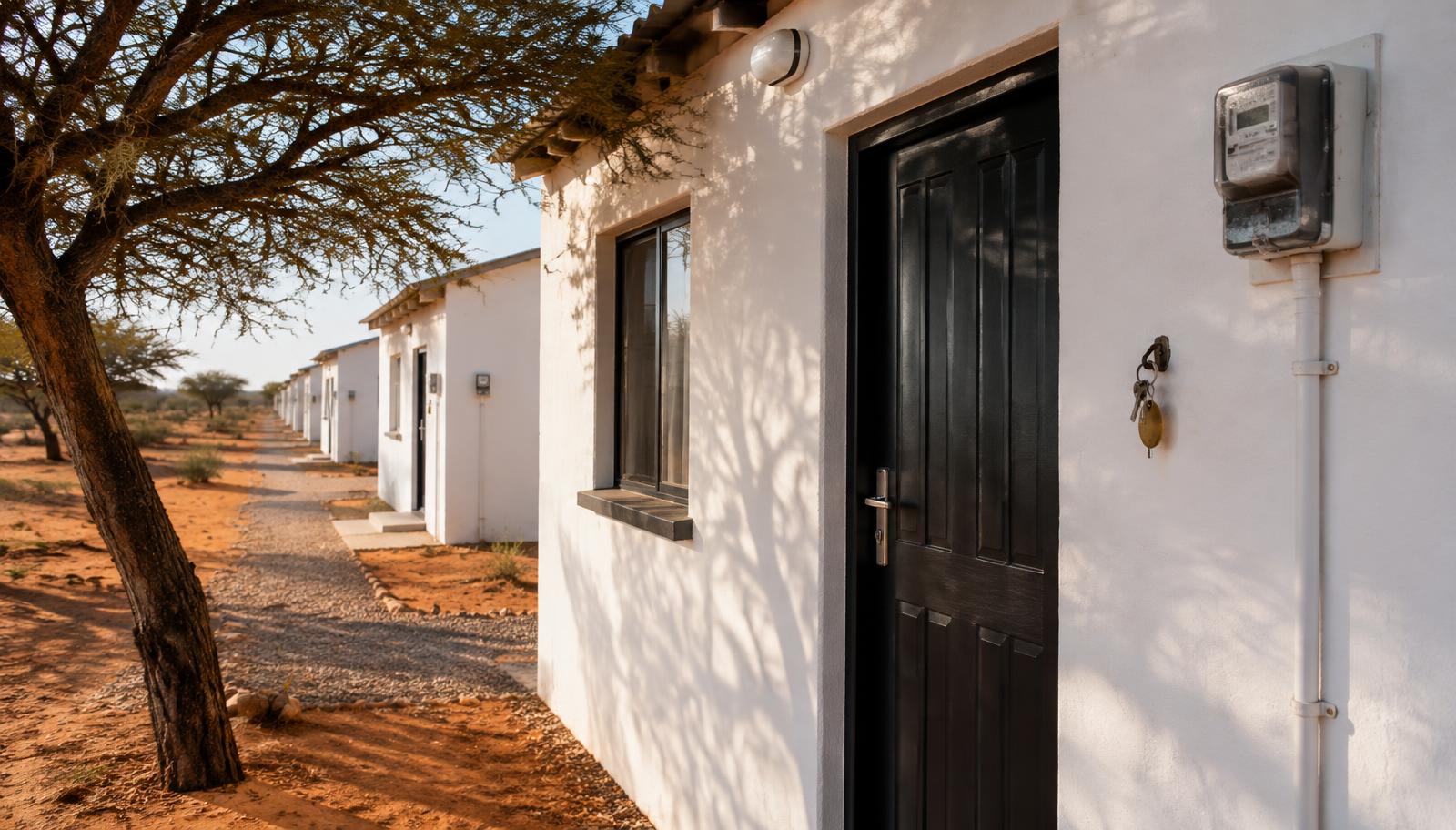
Kathu is a landlord’s market on paper. Rents in the Northern Cape have been rising faster than house prices — average provincial rents were reported at R10,122 a month, up 7.5% year on year — and a workforce that moves in and out of town keeps steady pressure on well-located stock. The question is rarely whether you can rent a property here. It is whether you can keep it rented, and keep the income, without losing weekends to it.
Start with the tenant, not the rent
In a mining town, the single most useful thing to establish is how secure the income behind the lease actually is. A permanent employee of a mine or a large contractor is a different risk from a worker on a six-month contract, and both are different from someone self-employed in town.
- Confirm the employer, the contract type and the expected end date before you sign — not after the first missed payment.
- Take a proper deposit and put it in an interest-bearing account, in line with the Rental Housing Act requirements.
- Use a written lease that covers maintenance responsibility, utility and water costs, subletting, and what happens when employment ends.
- Do a documented incoming inspection with dated photographs, signed by both parties, so the outgoing inspection is not a argument.
Compliance is cheaper than a dispute
Electrical certificates of compliance, gas where applicable, working smoke alarms, and a property that meets basic habitability standards are not paperwork for its own sake. They are what protects you if a tenant escalates a complaint to the provincial Rental Housing Tribunal, and they are what lets you act quickly when something breaks.
In Kathu specifically, water and power arrangements deserve their own clause. If the property has a borehole, a JoJo tank or a solar and inverter system, say in the lease who maintains them, who pays for the electricity they consume, and what happens if the system fails. Ambiguity here is the most common source of friction between landlord and tenant in the region.
The empty-unit risk nobody budgets for
A town that depends on one industry has tenant turnover tied to that industry. Contracts end, operations pause, contractors move to another site — and a whole street of tenants can shift at once. Budget for vacancy as a real cost, not a surprise: two months’ rent a year held aside is a sensible starting point in a market like this one.
Know your real yield
Gross yield is annual rent divided by purchase price. Your actual yield is that number after vacancy, maintenance, rates and taxes, insurance, water, management fees and collection costs. Landlords who quote the gross figure are usually the ones caught out when the unit goes empty.
Manage it yourself or hand it over
- Self-manage if: you live nearby, you can respond to a burst geyser on a Saturday, and you are comfortable having a firm conversation about rent.
- Use a managing agent if: you are out of town or overseas, you own more than one unit, or the income needs to be documented properly for a bond application or tax return.
- Either way: keep your own records of arrears, inspections and maintenance spend. A landlord with clean paperwork resolves disputes in days instead of months.
RCT works with landlords on exactly this side of the business — rent collection, maintenance and inspections, with sales and rentals handled through partners. If you own a unit in or around Kathu and would rather not run it yourself, tell us on the contact page what you own and what it currently earns, and we will tell you honestly whether professional management is worth the fee on your numbers.
Sources
- Property24 — Renewable energy and semigration fuel Northern Cape property surge (Oct 2025)
- OLFM — How mining growth is impacting the real estate market in Kathu (2025)
- Property24 — Kathu property trends and statistics
Figures are as published by the sources above on the dates given, and market data changes monthly. This article is general information, not financial, legal or valuation advice — check current listings and get your own advice before you commit.
Talk to RCT
Buying, building or letting in or around Kathu? Tell us what you are planning and we will tell you honestly how we can help.