Property trends
Northern Cape property trends: what the 2026 numbers say
17 October 2026 7 min read
The province that usually sits at the bottom of the price tables has been quietly outperforming. We pulled the published figures together and looked at what they mean for Kathu buyers and landlords.

For years the Northern Cape has been the province people describe as cheap and quiet. That is still true in absolute terms — but the growth rates have changed, and so has who is buying. Here are the published figures, with their sources, so you can judge them for yourself.
The headline numbers
- National house prices rose 7.8% in the year to January 2026, on Statistics South Africa’s Residential Property Price Index.
- The prime lending rate stood at 10.25% from the November 2025 cut — the lowest since the pandemic, after six consecutive reductions from 11.75%.
- Northern Cape property price growth was reported at 4.75%, among the strongest in the country, behind only the Western Cape and Limpopo (Lightstone, cited by Property24 in October 2025).
- Average rents in the province reached R10,122 a month, up 7.5% year on year, on PayProp data cited in the same report.
- Over a longer run, the average Northern Cape transaction price rose from about R676,000 in 2019 to roughly R875,000 — around 29% growth, or about 5% a year (Seeff, 2024).
What is pushing it
Two forces keep coming up in the provincial reporting. The first is renewable energy: large projects such as Kenhardt and Redstone bring capital, contractors and long-term jobs into towns that have had little new investment, and the people who come with them need somewhere to live and work.
The second is semigration — but the version that reaches a province like this is not the beach-house version. Buyers from Gauteng and KwaZulu-Natal who cannot stretch to Western Cape prices are looking at smaller inland towns for value, for remote-work flexibility and for working municipal services. That shift makes sense: the same reporting that shows the Western Cape still dominating semigration also shows the second-choice market getting more competitive as buyers get priced out of the first.
Where Kathu fits
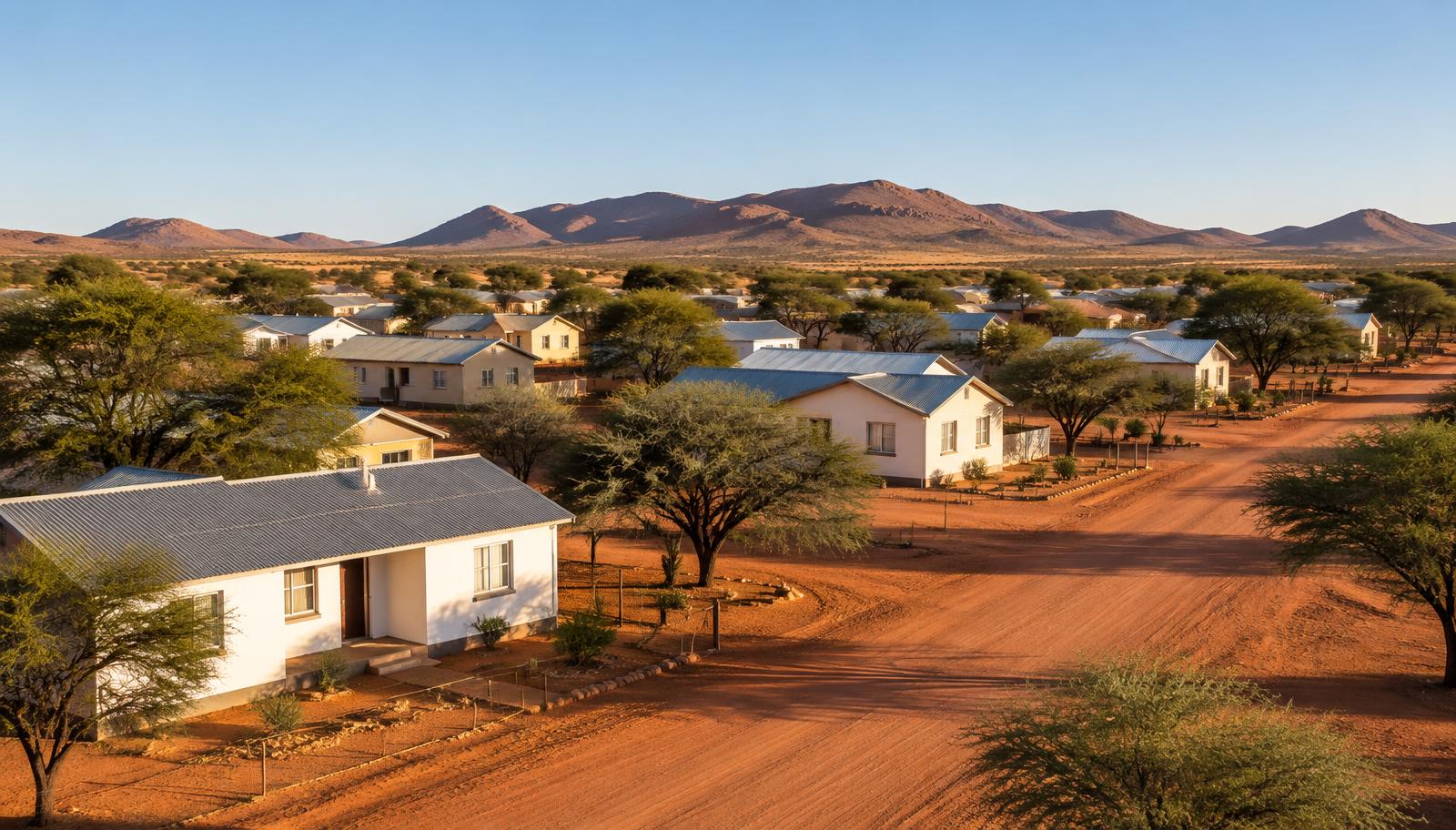
Kathu is one of the smaller towns that carries a disproportionate share of Northern Cape activity, alongside Kimberley and Upington, because of mining. That gives it an advantage over purely retirement-driven or lifestyle towns: demand here is tied to employment, not sentiment. It also carries the obvious risk — a single-industry town moves with that industry.
Read averages with care
In a town of Kathu’s size, one or two large sales can lift a monthly average noticeably. Use price ranges and bedroom-band comparisons rather than a single “average price” headline, and check the current listing volumes on a trends page before drawing a conclusion.
What to watch over the next year
- Interest rates: further cuts feed directly into what buyers can afford, and small-town prices respond quickly to affordability.
- Iron ore and manganese prices: they set mine hiring, and mine hiring sets Kathu demand.
- Renewable-energy project timelines: construction phases create rental demand; operational phases create fewer but more permanent jobs.
- Municipal performance: water, electricity and road maintenance are now a stated reason buyers choose one town over another.
- Listing volumes: falling stock with steady demand usually precedes price movement.
The bottom line
The Northern Cape is no longer a province you can dismiss as cheap and static. Prices are still low by national standards, rents are rising faster than prices in real terms, and the buyers arriving from other provinces are doing so deliberately. For a Kathu owner that combination is a good one to be holding — as long as you bought for the rental demand that employment creates, not for the hope of a lifestyle boom.
Sources
- Property24 — Renewable energy and semigration fuel Northern Cape property surge (Oct 2025)
- IOL Property — Inside SA’s property market: which provinces delivered the biggest gains
- Ooba — Property prices South Africa 2026 market guide
- Bizcommunity — Expensive to rent, but cheap to buy a home in the Northern Cape (2024)
- BusinessTech — Northern Cape as a new semigration destination (2025)
Figures are as published by the sources above on the dates given, and market data changes monthly. This article is general information, not financial, legal or valuation advice — check current listings and get your own advice before you commit.
Talk to RCT
Buying, building or letting in or around Kathu? Tell us what you are planning and we will tell you honestly how we can help.